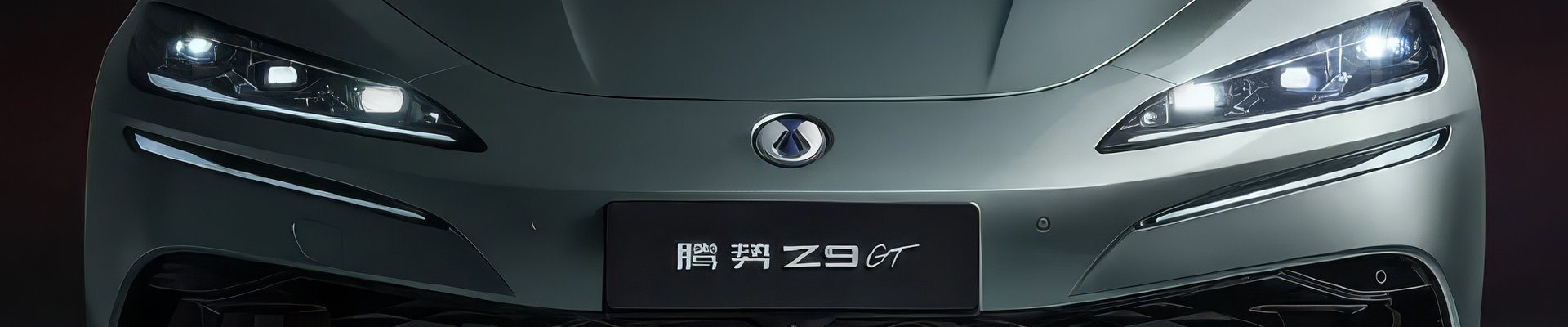
DENZA emblem


EV Directory > DENZA brand


DENZA EV Portfolio


DENZA brand EVs

DENZA is an EV brand owned by BYD and made in China. This model lineup showcases the shift toward zero-emission mobility. Each model blends modern design, NMC batteries*, and efficient electric drivetrains engineered for performance and sustainability.

* While battery chemistry varies by trim and region, the vast majority of all EV brands today use NMC as their primary chemistry, often supplemented by LFP in lower-cost variants.


DENZA EV Model Families

List of DENZA major EV model variants - only all-electric (BEV) models are listed:

EV Model Family Style Seating Drive
DENZA D9 4WD Premium MPV 7 AWD
DENZA D9 FWD MPV 7 FWD
DENZA N7 4WD SUV 5 AWD
DENZA N7 RWD SUV 5 RWD
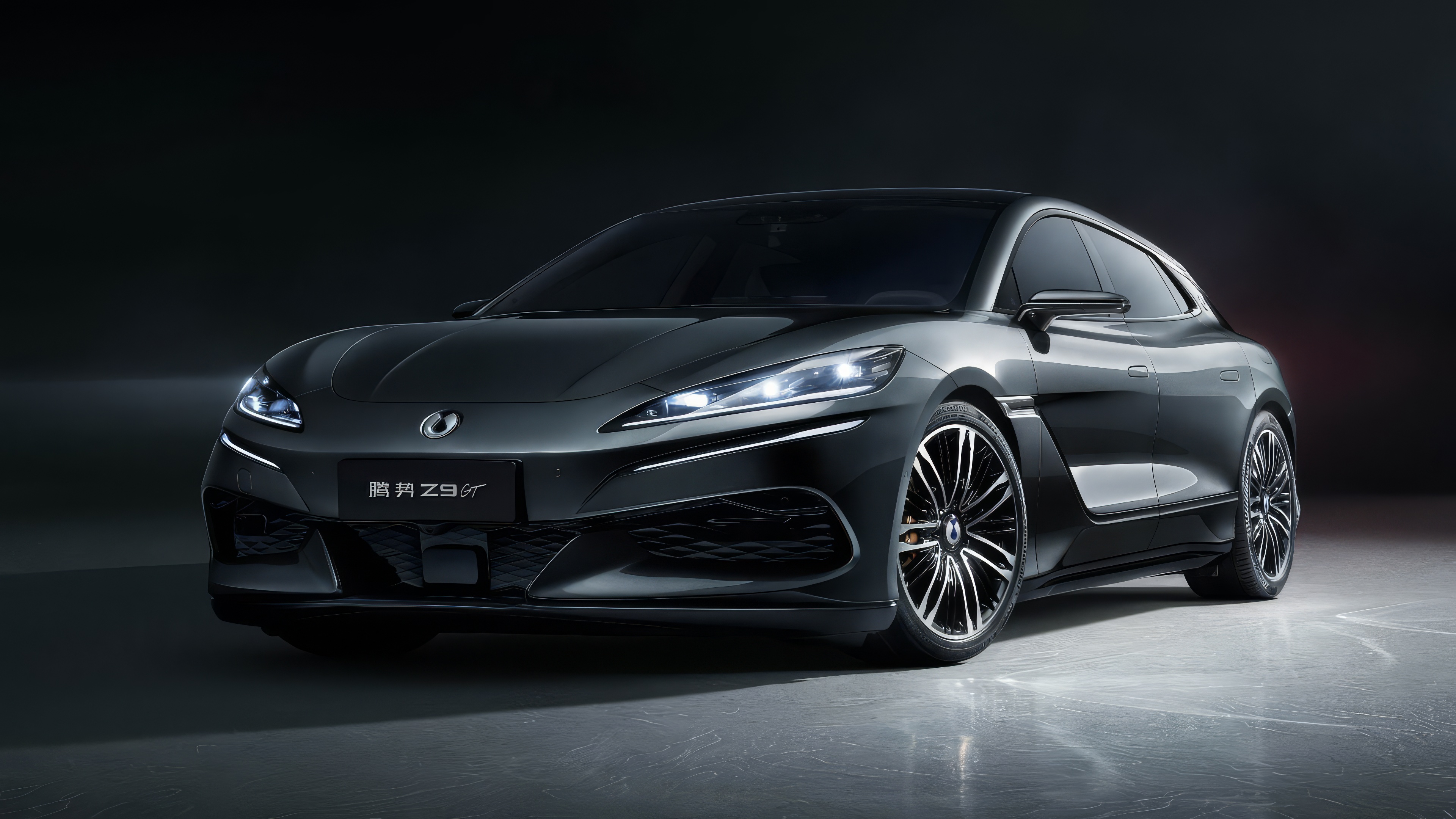
DENZA Z9 GT liftback 5 AWD
DENZA Z9 sedan 5 AWD


DENZA EV Technology

Platform: Dedicated EV, 400V
E/E Architecture: Baseline
OTA Capability: Advanced
Battery Suppliers: BYD
Power Inverter Tech: SiC-based

Platform = level of vehicle platform maturity or advancement, and its dominant system voltage.
Shared = ICE-derived | Dedicated = EV-native platform | SDV-Native = future-proof

E/E Architecture: degree of integration and maturity of the vehicle’s electronic/electric control systems (from Baseline legacy wiring to Advanced domain/zonal designs).
Baseline = Distributed ECUs | Modern = Domain-based | SDV-Native = Zonal-based with central compute

OTA Capability = scope of Over-The-Air updates supported — from Baseline basic infotainment to Advanced control and systems firmware.
Baseline = Infotainment/maps | Limited = Infotainment+ | Partial = Multiple systems | Advanced = Most systems | Full = Full-vehicle updateable

Battery Suppliers = primary traction battery suppliers across the model lineup.

Power Inverter Tech = power electronics technology used (silicon carbide SiC vs silicon), which affects efficiency and thermal performance.
IGBT = Conventional | SiC = High-efficiency | GaN = Next-generation, pilots


About Denza

Denza is a Chinese premium electric vehicle brand jointly developed by BYD and Mercedes Benz, established in 2010 as one of China's earliest Sino German automotive joint ventures. Headquartered in Shenzhen, Denza was created to combine BYD's expertise in battery and electric drivetrain technology with Mercedes Benz's experience in luxury design and vehicle engineering. The brand operates under the BYD Group umbrella, with BYD now holding a majority stake while Mercedes Benz retains a strategic partnership role focused on design and technical input.

Denza's current lineup includes the Denza D9 luxury MPV, the N7 crossover SUV, and the N8 large SUV, all built on BYD's advanced e platform 3.0 architecture. These models feature BYD's Blade Battery technology, efficient dual motor systems, and high voltage electrical architecture that support long range driving and fast charging. Interior design emphasizes comfort, connectivity, and premium materials, featuring intelligent cockpits powered by BYD's DiLink infotainment system and customizable digital interfaces.

The D9 has become one of China's best selling luxury MPVs, offering both fully electric and plug in hybrid variants designed for executive and family use. The N7 and N8 expand Denza's reach into the growing high end SUV market, combining performance, digital intelligence, and refined craftsmanship. The brand's vehicles integrate advanced driver assistance features and continuous over the air updates, positioning Denza as a bridge between traditional luxury and new energy innovation.

As part of BYD's broader strategy, Denza represents the group's premium EV division, complementing sub brands such as Yangwang and Fang Cheng Bao in BYD's multi tier portfolio. The partnership with Mercedes Benz continues to influence Denza's design language and quality standards, ensuring that each model reflects a balance of German precision and Chinese technological leadership. With strong domestic growth and export potential, Denza is emerging as one of China's most successful examples of international collaboration in the new energy vehicle sector.