Autonomous Vehicless & Robots
Electrification, autonomy, and AI are converging to reshape the global robotics landscape. Robots are no longer confined to factory floors—they now extend across land, sea, and air, as well as into humanoid and quadruped form factors that can perform complex, human-like tasks. On this page we highlight the main categories of autonomous systems and robots relevant to transport, logistics, industry, and advanced manufacturing.
DEFINITION: Autonomous systems are traditional machines where autonomy replaces the driver/operator, while robotics refers to embodied machines (like humanoids or quadrupeds) whose core identity is being a robot.
Autonomous Vehicles & Heavy Equipment
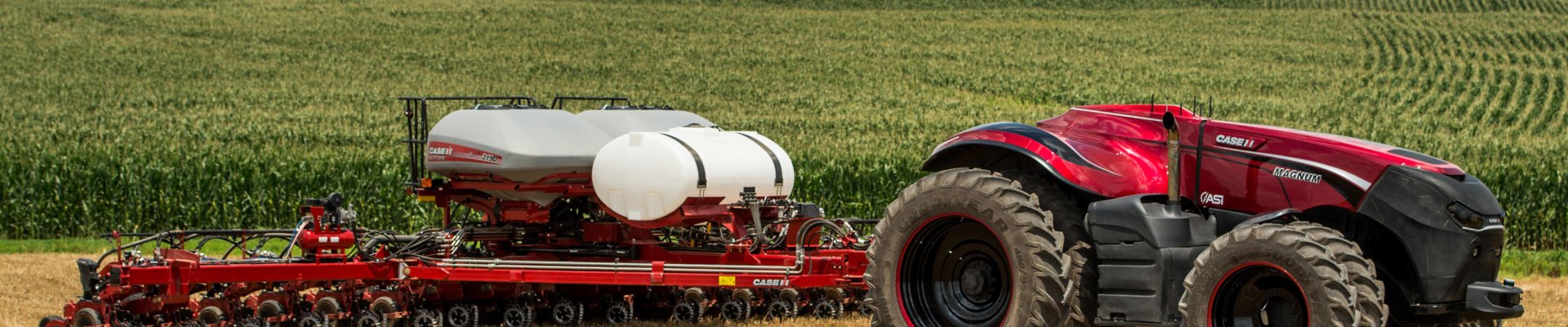
Electrified vehicles with advanced autonomy are increasingly viewed as mobile robots. These span multiple environments: land (robotaxis, self-driving trucks, mining haulage), sea (autonomous workboats, survey vessels), and air (cargo drones, eVTOL).
| Domain | Examples | Primary Uses |
|---|---|---|
| Land | Robotaxis, autonomous trucks, mining haulers, agricultural tractors | Ride-sharing, freight, mining, farming, logistics depots |
| Sea | Autonomous tugs, survey craft, cargo barges | Port operations, offshore energy, research |
| Air | Cargo drones, eVTOL aircraft, inspection UAVs | Logistics, passenger transport, energy infrastructure inspection |
Humanoid Robots
Humanoid robots are designed with human-like form factors to perform tasks in environments built for people. They combine mobility, dexterity, and perception to support logistics, assembly, eldercare, and even personal service.
| Robot | Key Developers | Applications |
|---|---|---|
| Optimus | Tesla | Factory automation, logistics, multipurpose labor |
| Figure 01 | Figure AI | Warehouse, assembly line support |
| Atlas (R&D) | Boston Dynamics | Mobility and dexterity research, defense/industrial prototypes |
Quadruped Robots
Four-legged robots are optimized for balance and terrain traversal. They are widely adopted for inspection, security, and defense applications, particularly in environments too dangerous for humans.
| Robot | Key Developers | Primary Uses |
|---|---|---|
| Spot | Boston Dynamics | Inspection, security patrol, defense support |
| ANYmal | ANYbotics | Industrial inspection in hazardous sites |
| Vision 60 | Ghost Robotics | Defense, reconnaissance, law enforcement |
Other Robots
Beyond humanoids and quadrupeds, specialized robots are critical to electrification, transport, and industrial autonomy. These often serve niche but high-value roles in inspection, delivery, or manufacturing.
| Category | Examples | Applications |
|---|---|---|
| Logistics Robots | AMRs, warehouse shuttles | Goods movement, order fulfillment |
| Swarm Robots | Drone fleets, microbots | Agriculture, environmental monitoring, military ops |
| Inspection Robots | Pipeline crawlers, aerial inspection drones | Energy, infrastructure, hazardous site operations |
Market Outlook
Robotics adoption is accelerating across multiple sectors. Tesla’s strategy to scale both robotaxis and the Optimus humanoid robot in parallel makes them unique among robotics players, with potential for breakout adoption this decade. Autonomous heavy equipment, logistics robots, and quadrupeds will see steady growth, but at smaller scales compared to the disruptive impact of Tesla-led mobility and humanoid robotics.
| Rank | Segment | Adoption Outlook (2030) | Notes |
|---|---|---|---|
| 1 | Robotaxis | Very High | Tesla, Baidu, Waymo lead; millions projected by 2030, major disruption to personal car ownership |
| 2 | Humanoids (Tesla Optimus-led) | High-Very High | Tesla scaling rapidly with gigafactory manufacturing; likely in parallel with robotaxis |
| 3 | Autonomous Vehicles & Heavy Equipment | High | Mining, logistics, agriculture drive large-scale deployments |
| 4 | Logistics & Inspection Robots | High | Warehouses, utilities, infrastructure operations |
| 5 | Quadrupeds | Moderate | Defense, hazardous inspections, security patrols; smaller volume vs other categories |