ElectronsX > Infrastructure > Process Electrification > Industrial Plasma Torches
< Industrial Electrification
Industrial Plasma Torches
Cement kilns (1,450°C), steel reheating (1,600°C), glass furnaces (1,500°C), DRI shaft (1,100°C).
Plasma torches are a key electrification enabler for high-temperature industrial processes for hard-to-abate sectors like steel, cement, glass, and waste treatment. They unlock 20-30% energy savings and vast emissions reductions (up to 99%), particularly in steel, cement, and metal recycling. While effective, their deployment is currently constrained by limited vendor diversity, specialized components, and infrastructure integration challenges - factors especially relevant in the context of U.S. reshoring. They are useful in EV battery manufacturing for graphite calcination and waste incineration.
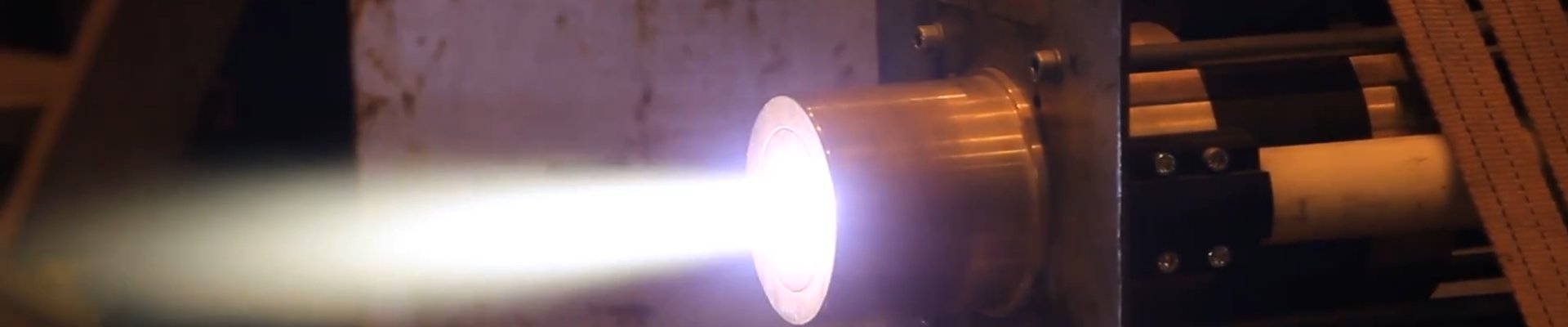
Plasma torches generate an ultra-high temperature plasma arc (5,000-30,000°C) by ionizing gas (argon, nitrogen, H2) between electrodes, driven by DC or RF power. This plasma is injected into the industrial process, supplying intense, controllable heat exactly where needed - whether melting waste slag, heating kiln air, or sustaining steel reheating.
Industrial Impact
- Cross-sector retrofit capability: Can plug into rotary kilns, reheating furnaces, DRI shafts, cement plants, and glass furnaces, replacing fossil-fueled burners with electric heat.
- Scalable power range: Systems from hundreds of kW to multi-MW allow flexible deployment from pilot to full plant scale.
- Enabler of broader electrification: Offers a direct pathway to decarbonize processes that exceed typical high-temp heat pump or induction limits.
Emissions Impact
- A 80 MW plasma retrofit in ore induration cut annual emissions by ~185,000 tCO2e.
- Energy savings of 20-30 % vs fossil burners in aluminum and metals.
- Approx. 99.8 % emissions reduction reporting when switching fully from heavy fuel oil.
Supply Chain & Bottlenecks
- Electrode and power supply constraints: High-MW DC modules and refractory-resistant electrodes are specialized and have long lead times.
- Vendor concentration: Only a few global suppliers, increasing risk of production bottlenecks, especially for reshoring efforts.
- Fabrication challenges: Precision manufacturing needed for torch nozzles and ceramic-insulated electrodes - not yet widely available in U.S. domestic supply base.
- Consumables supply: Cutting-oriented brands have mature supply chains, but industrial-grade torch maintenance parts remain tight.
- Grid compatibility & integration: High-power DC equipment may require upgraded substations and transformers - can limit rollout timelines.
| Vendor | Product |
|---|
Related Coverage
- Electrolyzers for Green Hydrogen
- Electric Arc Furnaces (EAF)
- Electric Kilns for Cement & Lime
- Electric Steam Cracking
- Industrial Resistive Heating
- Electric Submerged Arc Furnaces
- High-Temperature Industrial Heat Pumps
- Low-Temperature Industrial Heat Pumps