ElectronsX > Vehicles > Electric Marine > Electric Jet Skis / PWC
Electric Jet Skis / PWC
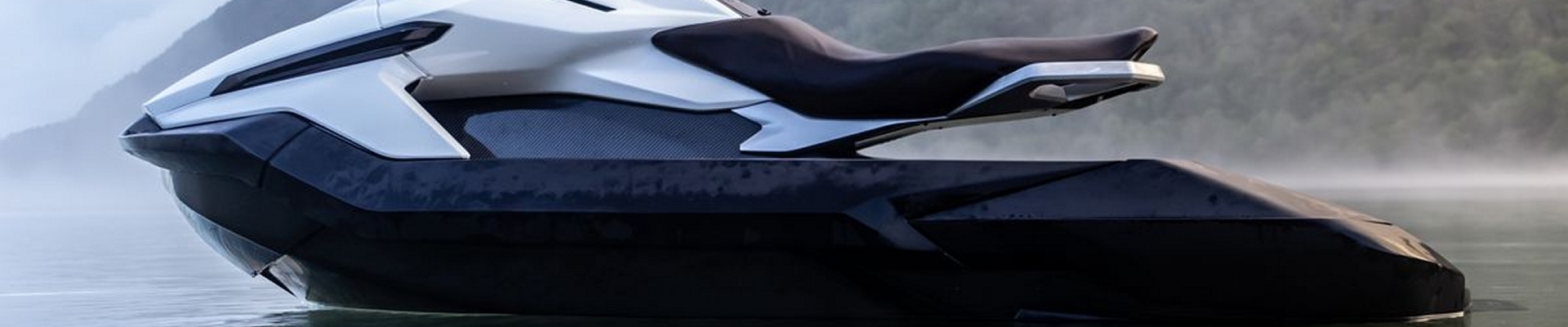
Electric personal watercraft (PWC), commonly known by the brand name Jet Skis, bring zero-emission propulsion to one of the most popular segments in recreational boating. Compact and high-performance, PWCs are designed for short, fast rides and are often used in coastal waters, lakes, and resort destinations. Electrification reduces noise, eliminates fuel spills, and enables access to waterways where combustion engines are restricted. Early adoption is strongest among eco-tourism operators and premium buyers, with OEMs such as Taiga and Sea-Doo launching dedicated electric models.
Segment Taxonomy
The table below categorizes electric PWCs by their primary use cases and market focus.
| Segment | Definition / Use | Examples |
|---|---|---|
| Recreational PWC | General-purpose Jet Ski models for individual or family use on lakes and coastal areas. | Taiga Orca Sport, Sea-Doo Rise (upcoming). |
| Performance PWC | High-power models designed for speed and agility, appealing to enthusiasts and sport riders. | Taiga Orca Performance, custom electric conversions. |
| Fleet & Rental PWC | Units deployed by resorts, eco-tourism operators, and marinas for short-term rentals. | Taiga Orca fleets in eco-resorts; pilot deployments in Europe and North America. |
Electric Jet Skis List
| Brand | Model | Country | Available |
|---|
Charging Considerations
Because electric PWCs are compact, their charging requirements are less demanding than larger watercraft. Most units can be recharged at marinas or boat ramps using Level 2 charging, though faster turnaround is often needed in fleet operations.
| Segment | Typical Charging Method | Notes |
|---|---|---|
| Recreational PWC | Level 2 (240V AC) charging at home docks or marinas. | 2-4 hours typical charging time; overnight charging covers most needs. |
| Performance PWC | Level 2 charging; experimental DC fast charging for rapid turnaround. | High discharge rates limit runtime to ~1-2 hours; fast charging needed for extended sessions. |
| Fleet & Rental PWC | Battery swapping or dockside multi-unit charging systems. | Fleet operators require quick turnaround; infrastructure buildouts underway at resorts. |
Market Outlook
Eco-tourism and resorts are driving early adoption, followed by private buyers and performance enthusiasts. The ranking below reflects near-term adoption potential by segment.
| Rank | Adoption Segment | Drivers | Constraints |
|---|---|---|---|
| 1 | Fleet & Rental PWC | Eco-tourism demand, noise/emissions restrictions, controlled fleet charging infrastructure. | Upfront fleet investment, battery life in high-cycle use. |
| 2 | Recreational PWC | Appeal to eco-conscious owners; regulatory bans on noisy ICE models on lakes. | Range limited to 1-2 hours; limited DCFC access at marinas. |
| 3 | Performance PWC | High-torque acceleration appeals to enthusiasts; tech showcase for OEMs. | Short runtimes, high pack costs, limited appeal outside niche buyers. |
Related Coverage
- Electric Recreational Watercraft
- Electric Day Boats & Pontoons
- Electric Yachts & Catamarans
- Electric Ferries
- Electric Tugboats
- Electric Trawlers
- Electric Container Ships
- EV Boats & Marine Vehicles