ElectronsX > Infrastructure > Facility Electrification > Seaport Electrification
Facility Electrification > Seaport Electrification
Seaport Electrification
Drastic cuts (up to 90%) in NOx, PM, SOx, and GHG emissions from ship and truck idling. Major public health benefit for port-adjacent communities in terms of air quality.
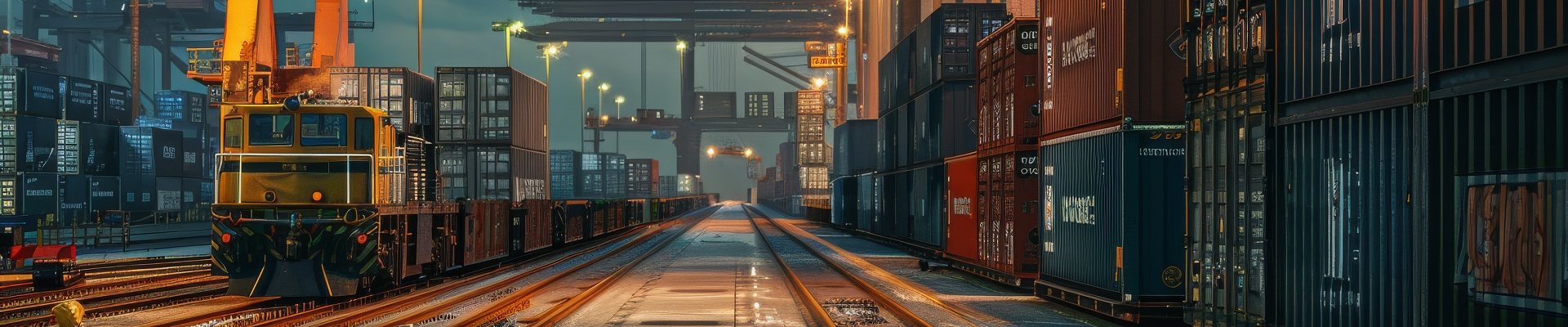
Electrification of seaports is a key enabler of decarbonized trade and logistics. Modern ports are transitioning from diesel-based operations to clean, electric-powered infrastructure, equipment, and vehicles - improving air quality, lowering noise pollution, and reducing GHG emissions in densely populated coastal areas.
What Electrification Enables
Electrifying seaport equipment and fleets is the prerequisite step toward autonomy. Once cranes, yard vehicles, and support equipment are electric, energy becomes schedulable, time-sensitive, and operationally critical. At that point, automation and autonomy are no longer optional — they are required to coordinate charging, throughput, and uptime.
Electrification Layers
Grid Infrastructure
High-voltage substation and onshore grid interconnect, often with microgrid/BESS integration.
Shore Power / Cold Ironing (40-60% of current port emissions)
Onshore Power Supply (OPS) allows docked vessels to shut off engines and plug into the grid.
Electric Cargo Handling (10-15% of port emissions)
Replacement of diesel-powered container cranes, yard tractors, and reach stackers with electric alternatives.
Onsite Microgrids
Incorporation of solar, wind, and/or CHP with BESS for energy autonomy and resilience.
Electric Drayage Fleets (15-30% of port emissions)
Short-haul trucking and yard tractors for container transfer run on BEV or FCEV platforms.
Building Electrification (5-10% of port emissions)
Warehouses, logistics hubs, control towers using electric HVAC, lighting, and EV charging systems.
Electrified Port Vehicles and Equipment
Ship-to-Shore Cranes
Kalmar Zero Emission STS Cranes, ZPMC Electric STS, Konecranes Gottwald E-RTGs.
Rubber-Tyred Gantry Cranes (RTGs)
Konecranes e-RTG, Kalmar Hybrid RTG, SANY Electric RTG Hybrid/electric mix.
Yard/Terminal Tractors
Orange EV, Terberg YT203-EV, TICO EV Series.
Reach Stackers
Kalmar Electric Reachstacker, Hyster-Electric Container Handlers.
Drayage Trucks (Short-haul)
Volvo VNR Electric, Freightliner eCascadia, Kenworth T680E, BYD 8TT.
Automated Guided Vehicles
VDL Automated Terminal Tractors, Gaussin EV AGVs, Konecranes Noell EV AGVs.
Power Demands & Energy Management
Shore Power (OPS): 1-20 MW per berth
Requires high-voltage transmission and transformer substations.
Cranes & Yard Equipment: 200 kW-1 MW per unit
Requires load balancing, regen braking, and smart dispatch optimization.
EV Charging Infrastructure: 50 kW (DCFC) to 1+ MW (MD/HD EVs)
High-capacity chargers for Class 8 drayage and autonomous yard tractors.
Microgrid & BESS: 10-100+ MWh capacity per port
Islanding capability, peak shaving, renewable smoothing, backup power.