ElectronsX > Infrastructure > Facility Electrification > Industrial Site Electrification
Industrial Site Electrification
Industrial and manufacturing sites are among the largest, most energy- and water-intensive facilities on the planet. Electrifying them is not just about decarbonization - it's about resilience, efficiency, and ensuring national competitiveness in the emerging AI-driven economy.
- EV & Battery Gigafactories: Electrified equipment, EV fleets, decarbonized grid goals.
- Semiconductor Fabs: Ultra-clean, stable power for 24/7 precision processes.
- Hyperscale / AI Data Centers: 24/7 compute uptime, PUE optimization, carbon-free energy sourcing.
- Hydrogen Production Sites: Renewable-powered electrolysis, compression, and storage systems.
- Steel Plants (EAF): Electrification of furnaces and heavy process equipment.
Three facility types stand out as especially critical to the future of industry and society: EV/battery gigafactories, semiconductor fabs, and hyperscale/AI data centers. All three facility types require massive electrification, microgrid integration, and grid modernization to sustain growth. Just as the Manhattan Project and Apollo Program defined past eras, the electrification of these facilities is central to the "AI Manhattan Project" - a global contest to secure technological dominance.
What Electrification Enables
Modern electrified facilities are no longer simple electrical loads. They operate as coordinated energy systems integrating charging infrastructure, battery storage, onsite generation, and grid interaction. This Energy Orchestration is how facilities, fleets, factories, microgrids, and data centers coordinate energy in real time.
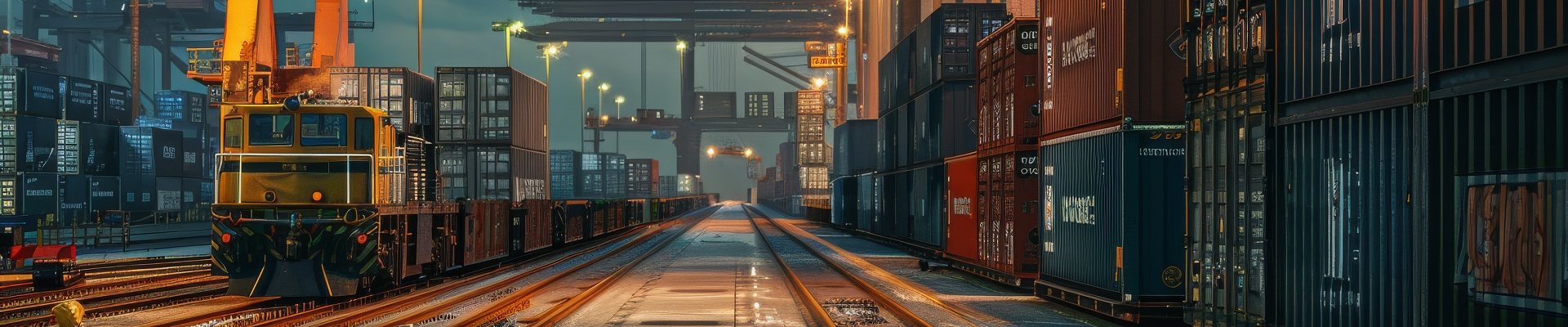
Electrifying industrial and manufacturing process equipment is also a prerequisite step toward autonomy. Once cranes, yard vehicles, and support equipment are electric, energy becomes schedulable, time-sensitive, and operationally critical. At that point, automation and autonomy are no longer optional — they are required to coordinate charging, throughput, and uptime. Also see Autonomous Factories >
Infrastructure Layers
High-Capacity Grid Interconnect
Dedicated substations (20-500+ MW), often dual-fed with redundant switching.
Onsite Generation + Microgrids
Solar, wind, CHP, hydrogen turbines + BESS and load management.
Energy Management System (EMS)
Real-time optimization of load, DERs, BESS, fleet charging, and power quality.
Power Conditioning Systems
Voltage/frequency control, UPS, - especially critical for data centers and fabs.
HVAC + Building Electrification
Efficient chillers, variable-frequency drives (VFDs), smart lighting systems.
EV & Battery Gigafactories
Role: Power the global shift to electric mobility, stationary storage, and robotics.
Energy profile: High electricity demand for electrode coating, drying, formation cycling, and thermal management. Often exceed hundreds of MW capacity per site.
Electrification focus:
- Transition from gas to electric kilns and dryers for electrode manufacturing.
- Onsite renewables + BESS to buffer demand and avoid grid constraints.
- Solid-state transformers (SSTs) and DC-native buses to improve efficiency in charging, formation, and testing.
Strategic importance: These facilities enable EV supply chains, support fleet electrification, and feed directly into autonomous mobility and robotics ecosystems.
Semiconductor Fabs
Role: Foundation of the digital and electrified economy - chips for EVs, AI accelerators, power electronics (SiC, GaN), and consumer devices.
Energy profile: Continuous 24/7 demand for ultra-pure water (UPW), HVAC cleanrooms, and process tools. A single advanced fab can exceed 400-600 MW of load.
Electrification focus:
- Electrified HVAC, UPW, and ultrapure gas systems.
- Microgrids and CHP for reliability, with increasing integration of BESS.
- Power quality and conditioning to meet nanometer-level process stability.
Strategic importance: Semiconductors are chokepoints in global supply chains and a national security concern. Their electrification and resilience are essential to both AI and electrification roadmaps.
Hyperscale & AI Data Centers
Role: The AI factories of the future, housing massive compute clusters that drive training and inference. These facilities are the backbone of the AI arms race.
Energy profile: Extreme power demand - rising from hundreds of MW into the multi-gigawatt range. Cooling alone can consume 30-40% of site energy.
Electrification focus:
- Direct-to-chip and liquid immersion cooling replacing traditional HVAC.
- Integration with on-site renewables, nuclear SMRs, or long-duration storage.
- DC-native architectures for efficiency in GPU clusters and networking.
Strategic importance: Whoever controls the largest and most efficient AI data centers controls the future of AI supremacy. These facilities will define economic competitiveness, national defense, and global leadership.