ElectronsX > Energy > Solar Energy > Solar Panels
Solar Panels
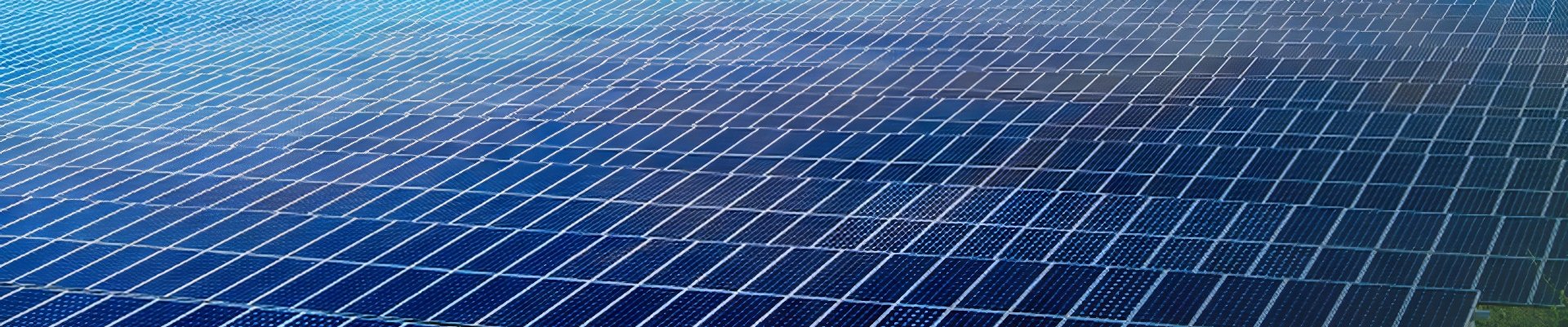
Solar panels or modules are photovoltaic (PV) devices used for onsite electricity generation, converting sunlight directly into electrical power at the point of use. Within solar power systems, panels form the primary generation layer, supplying DC electricity that can be consumed locally, converted for facility use, or stored for later use as sites transition equipment, processes, and mobility toward electrically driven operation.
| Panel Type | Description | Typical Applications |
|---|---|---|
| Monocrystalline (Mono) | Single-crystal silicon panels with the highest efficiency and lifespan, though higher cost. | PV residential rooftops, commercial sites with limited space |
| Polycrystalline (Poly) | Made from multiple silicon crystals, offering slightly lower efficiency but lower cost. | Utility-scale solar farms, budget-conscious installations |
| Bifacial | Generates power from both sides, capturing reflected light for higher energy yield. | Ground-mounted solar parks, reflective or high-albedo surfaces |
| BIPV (Building-Integrated PV) | Panels integrated into building elements like glass, facades, or roof tiles. | Architectural projects, urban rooftops, green buildings |
| CPV (Concentrated PV) | Uses lenses or mirrors to focus sunlight on high-efficiency cells; requires tracking systems. | High-irradiance regions, specialized utility projects |
| CIS (Copper Indium Selenide) | Thin-film technology with good low-light performance and flexibility, but lower efficiency. |
The following is a list of solar panel manufacturers in the U.S.:
| Vendor | Type | Location |
|---|
Related Coverage
- Polysilicon Production for PV
- Solar Cell Manufacturing
- Solar Power Inverters
- Solar Power Converters
- Solar Batteries
- Solar Balance of System (BOS)
- Solar Power Systems
- Solar Installers in the U.S.