Six refined materials become four kinds of parts, and those parts become every electric vehicle, robot, charger and grid battery. ElectronsX follows the whole chain, from the lithium refinery to the fleet depot, and the chokepoints the machines share along the way.
Vehicles and robots are the machines. Autonomy drives them, fleets run them, charging and energy feed them, industry builds with them, and the supply chain makes them. Systems covers the platforms and software inside all of them.
Every electric machine that moves: cars, trucks, buses, off-highway equipment, aircraft and ships, each read by battery, platform and software stack instead of horsepower and trim.
From the mine and the refinery to the cell, motor, inverter and final assembly, with the chokepoints the machines share and where each one is processed.
The same battery chemistry runs a drone and a ferry
LFP and NMC cells from the same cathode plants and gigafactories power every machine below, from a 0.08 kWh drone to a 4.3 MWh ferry. Grid battery plants take the same cells past 3 GWh.
Frameworks
The machines share their constraints
An EV, a humanoid and a grid battery draw on the same lithium refineries, magnet plants and control chips. These pages read the whole site through that overlap.
Gigafactories, fabs and data centers feed each other
A fab makes the power chips and sensors a gigafactory builds into machines. The data center trains the models those machines run, on chips from the same fabs. ElectronsX covers the gigafactory corner of the loop and everything it ships; its two sister sites cover the other corners.
The chips inside each machine, the compute that trains it, the Texas plants that build it, and the off-planet industry it grows into each have a sister site.
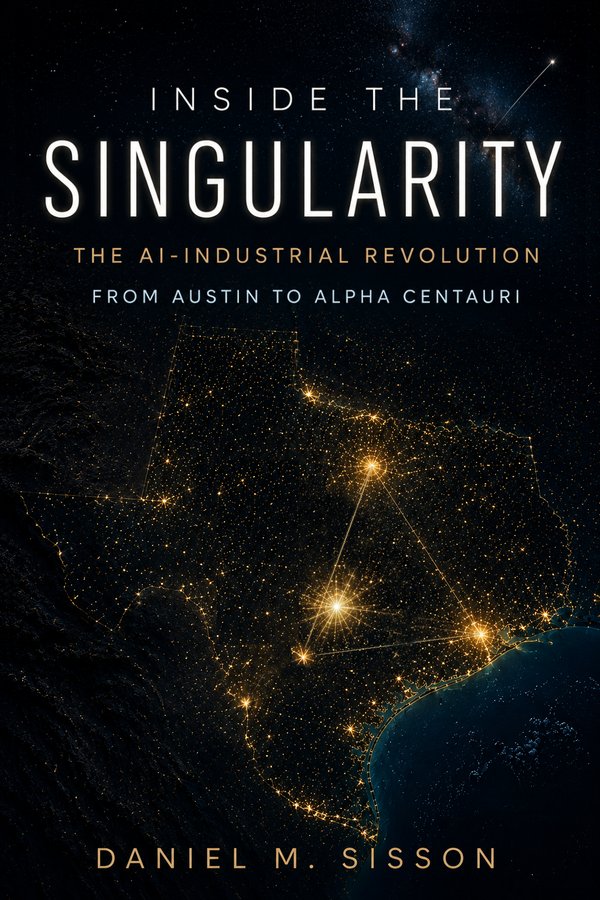
The AI-Industrial Revolution From Austin to Alpha Centauri. The book follows the Industrial Triad from Texas gigafactories and fabs to compute in orbit. ElectronsX keeps the electrification layer behind it current: the machines, the fleets, the energy and the supply chains.