Infrastructure > Facility Electrification
Facility Electrification
Facility electrification infrastructure enables MW-scale reliable power for AI data centers, semiconductor fabs, hospitals, campuses, factories, and logistics hubs. This hub covers substations, transformers, switchgear, on-site energy (BESS, PV, CHP, gensets), microgrids, controls, protection, and compliance to achieve resilience, efficiency, and energy autonomy.
Energy Architecture
Modern electrified facilities are no longer simple electrical loads. They operate as coordinated energy systems integrating charging infrastructure, battery storage, onsite generation, and grid interaction. This Energy Orchestration is how facilities, fleets, factories, microgrids, and data centers coordinate energy in real time.
Critical Facility Types
| Facility Type | Primary Function | Why Electrification Is Critical | Why Autonomy Follows | EAY / FED Relevance |
|---|---|---|---|---|
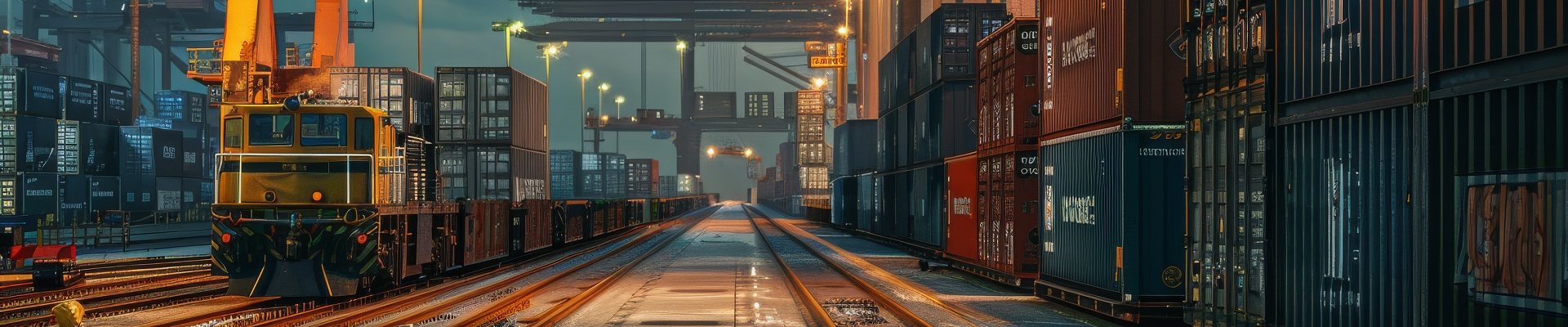
| Seaports & Container Terminals | Global freight transfer and container handling | Electrified cranes and yard fleets create large, schedulable power loads | Throughput, safety, and energy scheduling require autonomous handling | Canonical EAY archetype; FEDs buffer yard fleets and peak demand |
| Mines (Open-Pit & Controlled) | Resource extraction and material hauling | Remote sites force on-site power and electrified heavy equipment | Repetitive cycles and safety incentives favor fleet autonomy | Top-tier EAYs; FEDs integrate charging with autonomous dispatch |
| Logistics Hubs & Fulfillment Campuses | Parcel, pallet, and freight sorting and dispatch | Electrified delivery and yard fleets introduce charging constraints | AI scheduling and autonomy smooth peaks and improve throughput | Highly repeatable EAY templates; strong FED monetization fit |
| Rail Hubs & Intermodal Yards | Rail-truck transfer and yard operations | Electrified yard equipment and drayage fleets create peak windows | Autonomy reduces dwell time and coordinates tight schedules | EAYs in transition; FEDs support peak buffering and resilience |
| Airports (Airside & Landside) | Passenger and cargo aviation operations | Electrified ground support equipment concentrates demand at flight banks | Autonomous subsystems reduce delays and operational risk | Hybrid EAYs; FEDs anchor airside electrification and uptime |
| Factories & Manufacturing Campuses | Industrial production and assembly | Electrified processes and internal logistics raise reliability stakes | Autonomy prevents line starvation and unplanned stops | Selective EAY-adjacent sites; FEDs protect throughput |
Substations & Grid Interface
Interconnection defines timelines and capacity. Substation design (feeders, MV/HV transformers, relays) and confirmed transformer slots are schedule-critical.
| Component | Role | Notes |
|---|---|---|
| Utility Interconnection | Feeder capacity and protection coordination | Study timelines; phased energization strategy |
| MV/HV Transformers | Voltage step-down to site distribution | 24-36 month lead times; dual sourcing, modular bays |
| Protection Relays | Fault isolation and coordination | Selectivity studies; IEC/IEEE compliance |
| Metering & PQ Monitoring | Billing, power quality, harmonics | Drives tariff and PQ mitigation decisions |
On-Site Energy Systems
On-site resources improve resilience, reduce demand charges, and enable islanding. Mix BESS, PV, CHP, and gensets to meet reliability and emissions targets.
| Resource | Typical Application | Benefits | Challenges |
|---|---|---|---|
| BESS | Peak shaving, black-start, spinning reserve | Fast response, tariff optimization, resilience | CapEx, interconnection, lifecycle management |
| PV | On-site renewable generation | Energy autonomy, emissions reduction | Intermittency; roof/land constraints |
| CHP | Heat + power for hospitals/campuses/fabs | High overall efficiency; thermal reuse | Fuel supply, emissions permitting |
| Backup Gensets | Life-safety and critical loads | Mature, high power density | Emissions limits; runtime constraints |
Distribution & Protection
Safe, selective power distribution underpins uptime. Engineer switchgear, busways, and protection settings for fault isolation and maintainability.
| Layer | Equipment | Risk Notes |
|---|---|---|
| Switchgear Lineups | MV/LV gear, breakers, relays | Lead times; arc-flash studies; coordination |
| Busways & Distribution | MV/LV bus, feeders, PDUs | Thermal limits; expansion flexibility |
| Protection & Grounding | Relays, SPDs, grounding grids | Selective tripping; surge immunity; safety |
Controls & Microgrid Integration
Controls orchestrate grid and on-site assets. EMS/SCADA/BMS coordinate islanding, demand response, and tariff optimization with power quality constraints.
| Control Layer | Functions | Notes |
|---|---|---|
| Microgrid Controller | Dispatch BESS/gensets/PV; islanding; black-start | Fast stability; cybersecurity; interoperability |
| EMS/SCADA | Energy scheduling; PQ monitoring; alarms | Integrates tariffs and reliability constraints |
| BMS | Cell/module monitoring; safety interlocks | Thermal management; compliance logging |
Bottlenecks
Delivery timelines hinge on long-lead equipment, interconnection approvals, and qualified labor. Address these early with procurement and standardized designs.
| Bottleneck | Why It Matters | Mitigation |
|---|---|---|
| HV/MV transformer shortages | Delays energization; 24-36 month lead times common | Advance procurement; modular substation bays; dual sourcing |
| Switchgear manufacturing backlogs | Critical-path equipment extends schedules | Standardized specs; vendor-approved kits; inventory buffers |
| Utility interconnection delays | Pushes go-live; limits phased power | Early engagement; parallel design; staged energization |
| Skilled labor constraints | HV electricians and commissioning teams are scarce | Workforce pipelines; prefab skids; vendor commissioning |
Note: Transformers are increasingly the gating item for large facilities; lock in delivery slots during conceptual design.
Strategic Considerations & Outlook
Facilities are trending toward microgrids with BESS, firm backup, and tariff optimization. Expect deeper controls integration, stricter compliance, and broader use of islanding as resilience requirements rise.
- Energy autonomy by design: PV + BESS + controllable loads
- Reliability tiers: N+1/N+2 architectures with selective coordination
- Policy pull: incentives tied to resilience and emissions outcomes
- Data layer: telemetry for predictive maintenance and DR revenue
- Siting: interconnection and transformer slots define viable timelines