ElectronsX > Autonomy > Autonomous Vehicles > AV Platforms
EV Autonomous Vehicle Platforms
Autonomous vehicle (AV) platforms are full-stack autonomy systems — compute hardware, sensor suite, perception software, and prediction and planning stack — deployed in robotaxis, autonomous trucks, and last-mile delivery robovans. Unlike consumer ADAS (which assists a human driver), AV platforms must operate without a human safety driver, which drives fundamentally different requirements: fail-operational compute redundancy, dense LiDAR sensor arrays for 3D environment mapping, and autonomy stacks validated to SAE L4 specifications.
The AV platform market divides into two structural camps. Integrated OEM platforms — where the technology is developed by the vehicle manufacturer and cannot be separated from the vehicle — include Tesla Cybercab (Tesla FSD), Zoox (Amazon), and Gatik Carrier. Bolt-on technology platforms — where an autonomous technology company's stack is fitted to an existing vehicle model — include Waymo (on Jaguar I-PACE and Zeekr RT), Aurora (on Peterbilt 579), Kodiak (on Kenworth T680), and WeRide (on multiple platforms). The bolt-on model has dominated development programs to date but faces a consolidation question: as L4 deployment scales commercially, the economics favor integrated platforms that can optimize hardware end-to-end.
NVIDIA DRIVE dominates the AV compute landscape even more completely than it does the ADAS market — Orin and Thor appear across robotaxi, robotruck, and robovan programs globally. The primary exception is Tesla (proprietary FSD silicon), Waymo (custom ASIC alongside NVIDIA), and Baidu (Kunlun AI for China domestic Apollo programs). This NVIDIA concentration creates a significant single-vendor dependency risk for the AV industry.
For consumer ADAS compute (ADAS in production passenger cars), see: ADAS/AV Compute Platform Directory - Cars
For compute architecture depth, see: ADAS/AV Compute Architecture
AV Segment Overview
| Segment | Definition | Commercial Status | Compute Profile |
|---|---|---|---|
| Robotaxi | Urban passenger autonomous vehicles; no safety driver; public roads; fare-paying passengers | Limited commercial operations: Waymo (Phoenix, SF, LA, Austin, Atlanta); Tesla Cybercab (Austin, SF launch 2025); Baidu Apollo Go (China cities) | Highest compute density; 500-2,000+ TOPS; LiDAR + camera + radar sensor fusion; fail-operational redundancy required |
| Autonomous Truck (Robotruck) | Highway freight; Class 8 trucks; structured highway environment; no safety driver target | Early commercial: Aurora commercially launched April 2024 (Texas); Plus.ai in supervised commercial operations; most others still supervised testing | High compute; highway-optimized perception; longer range sensors; platooning and convoy logic; redundant compute for fail-operational |
| Robovan / Last-Mile AV | Last-mile delivery autonomous vehicles; lower speed; geofenced urban or suburban | Limited deployment: Nuro (Houston, Mountain View); WeRide delivery van (China); Udelv Transporter pilots | Mid-range compute; lower speed operation reduces real-time latency demands; cost optimization critical for delivery economics |
Key AV Platforms
Waymo Driver (US) - the most commercially deployed L4 autonomous driving system globally; Jaguar I-PACE (gen 5) and Zeekr RT (gen 6) as vehicle platforms; custom Waymo ASIC alongside NVIDIA for perception compute; 360-degree LiDAR + camera + radar; Waymo One commercial operations in Phoenix, San Francisco, Los Angeles, Austin, and Atlanta; 100,000+ paid robotaxi trips per week as of late 2025
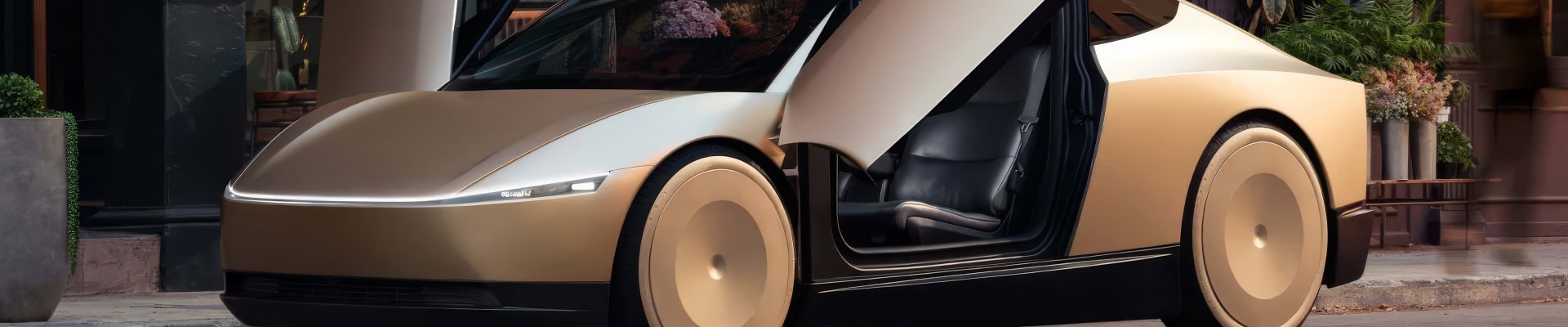
Tesla FSD / Cybercab (US) - fully proprietary end-to-end neural network; camera-only perception (no LiDAR); HW4 compute in current FSD vehicles; Cybercab purpose-built robotaxi (no steering wheel, no pedals); production started Giga Texas February 2026; mass production target April 2026; Austin and San Francisco commercial launch 2025
Aurora Driver (US) - commercial launch April 2024 on Peterbilt 579 in Texas; first driverless commercial trucking operation on US public roads; NVIDIA DRIVE Orin compute; 4 LiDAR + 9 cameras + 7 radar sensors; revenue-generating freight runs Dallas-Houston-San Antonio triangle
Baidu Apollo Go (CN) - largest robotaxi fleet in China; 6th-generation Baidu RT6 vehicle ($37K cost vs competitors); Kunlun AI compute for China domestic programs; commercial operations in Wuhan, Chongqing, Shenzhen and expanding; ERNIE-based language model integration
Plus SuperDrive (US/CN) - highway trucking autonomy; commercial supervised operations; NVIDIA DRIVE Thor; MAN and Scania truck integration in Europe; Plus.ai China operations separate entity
WeRide One (CN/US) - robotaxi and robovan; NVIDIA DRIVE Thor; commercial operations in China; UAE and US expansion; one of the few AV platforms spanning both robotaxi and robovan segments
Kodiak Driver (US) - highway trucking autonomy; Kenworth T680 platform; NVIDIA DRIVE Orin; commercial supervised freight operations
Waabi Driver (CA) - generative AI-native autonomy stack; NVIDIA DRIVE Thor; Uber Freight partnership; claims training efficiency advantages from generative simulation vs real-world data collection
Einride Autonomy (SE) - electric autonomous truck; Einride Pod (cab-less design); NVIDIA DRIVE Orin; GE Appliances partnership for warehouse-to-port operations in US
NVIDIA Platform Concentration
NVIDIA DRIVE (Orin and Thor) underlies the majority of AV programs globally — more completely than in the consumer ADAS market. Of the named robotaxi, robotruck, and robovan platforms below, roughly 80% specify NVIDIA DRIVE as their primary inference compute. The exceptions are Tesla (proprietary), Waymo (custom ASIC + NVIDIA), and Baidu Apollo (Kunlun AI for China domestic). This concentration has two implications:
For AV operators: NVIDIA supply chain disruption, pricing changes, or export restrictions (NVIDIA is subject to US export controls for advanced AI chips to China) directly affects program timelines. Multiple AV companies have moved to dual-supplier or in-house silicon strategies specifically to reduce this exposure
For supply chain analysis: NVIDIA's automotive revenue is directly tied to AV program deployment rates — each robotaxi, robotruck, or robovan platform represents a high-value NVIDIA DRIVE compute design win worth significantly more per vehicle than a consumer ADAS win
See: SemiconductorX - AV Compute Semiconductor Coverage
ADAS for long-haul trucks
Heavy-duty Class 7-8 EVs and hybrids. Require redundancy, sensor fusion, and specialized highway autonomy. Vendors include NVIDIA, Aurora, Plus.ai.
| Trucks Brand | ADAS system | Chip platform |
|---|---|---|
| MAN | Plus SuperDrive | NVIDIA DRIVE Thor |
| Scania | Plus SuperDrive | NVIDIA DRIVE Thor |
| Tesla Semi | Autopilot | Tesla FSD |
Robotaxi AV platforms
Urban autonomous fleets with dense sensor arrays and high compute density. Examples: Waymo, Cruise, Baidu Apollo, Pony.ai. Autonomous platforms for cars are still largely in testing phase, with various technology companies offering their "bolt-on" technology to existing car models. The exceptions are Tesla, DiDi, and Zoox, where the technology is integrated during production.
| Robotaxi brand | Autonomous driver | Chip platform |
|---|---|---|
| Avride | Avride Driver | |
| Baidu | Apollo Go | Kunlun AI |
| DiDi | NVIDIA DRIVE Orin | |
| Motional | Motional | NVIDIA DRIVE Orin |
| Tesla | Cybercab | Tesla FSD |
| Waymo | Waymo Driver | NVIDIA |
| WeRide | WeRide One | NVIDIA DRIVE Thor |
| Zoox | Zoox ADP | NVIDIA DRIVE Orin |
Robotruck AV platforms
Highway freight haulers with autonomy stacks tuned for long corridors and platooning. Autonomous platforms for trucks is still largely in testing phase, with various technology companies offering their "bolt-on" technology to existing truck brands. The exceptions are Tesla Semi and Gatik Carrier, where the technology is integrated.
| Tech brand | Autonomous driver | Chip platform |
|---|---|---|
| Aurora | Aurora Driver | NVIDIA DRIVE Orin |
| Einride | Einride autonomy | NVIDIA DRIVE Orin |
| Gatik Carrier | Gatik autonomy | NVIDIA DRIVE Orin |
| Kodiak | Kodiak Driver | NVIDIA DRIVE Orin |
| Plus | Plus.ai SuperDrive | NVIDIA DRIVE Thor |
| Pony | PonyPilot | NVIDIA DRIVE Orin |
| Torc Robotics | Torc autonomy | NVIDIA DRIVE Orin |
| Waabi | Waabi Driver | NVIDIA DRIVE Thor |
| Wayve | Wayve AI Driver | NVIDIA DRIVE Orin |
Robovan AV platforms
Last-mile delivery vans with mid-scale inference stacks. Balance cost efficiency with safety. Examples: Nuro, Udelv.
| Robovan | Autonomous driver | Chip platform |
|---|---|---|
| Neolix | Neolix autonomy | |
| Nuro | Nuro Driver | NVIDIA Drive Orin |
| Tesla | Autopilot | Tesla FSD |
| Udelv | Udely Transporter | |
| WeRide | WeRide One | NVIDIA DRIVE Thor |
Related Coverage
Directories: ADAS Compute - Cars | Robotaxi Fleet Directory | Robotruck & Robovan Directory
Technical Architecture: ADAS/AV Compute Architecture | Full ADAS/AV Tech Stack
Autonomy Context: Autonomous Vehicles Overview | Autonomous Fleets |
Supply Chain: SDV Systems Supply Chain