EV Directory > Nissan brand
Nissan EV Models
Nissan is an EV brand made in Japan. This model lineup showcases the shift toward zero-emission mobility. Each model blends modern design, advanced battery systems, and efficient electric drivetrains engineered for performance and sustainability.
List of Nissan major model variants - only all-electric (BEV) models are listed:
| EV Model | Style | Seating | MSRP * |
|---|---|---|---|
| Nissan Ariya 63 kWh | SUV | 5 | $43600 |
| Nissan Ariya e-4ORCE | SUV | 5 | &euro57500 |
| Nissan Ariya e-4ORCE Performance | SUV | 5 | $65500 |
| Nissan Ariya 87 kWh | SUV | 5 | $41200 |
| Nissan Ariya e-4ORCE NISMO | SUV | 5 | |
| Nissan GT-R EV | hypercar | ||
| Nissan Juke EV | SUV | ||
| Nissan Leaf | hatchback | 5 | $27400 |
| Nissan Leaf e+ | hatchback | 5 | $32400 |
| Nissan Leaf SUV | SUV | ||
| Nissan Maxima | sedan | 6 | |
| Nissan N7 | |||
| Nissan Sakura | SUV | 5 | $14000 |
| Nissan Townstar Crew Van | MPV | 5 | &euro40000 |
| Nissan Townstar Van L1 | MPV | 5 | &euro40200 |
| Nissan Townstar Van L2 | MPV | 7 | &euro42800 |
(Discontinued models are not listed.)
Key highlights across models
- 100% battery-electric powertrains
- Fast-charging capability (Level 3/DC)
- Regenerative braking for energy recovery
- Smart connectivity and over-the-air updates
- Advanced driver-assist and safety systems
- Designed for zero tailpipe emissions
* MSRP listed is approximate and can vary based on trim level, manufacturer incentives, country purchased in, and government taxes or credits applied. It is listed to give a ballpark figure upon which to compare with other models.
About the Nissan brand
Nissan Motor Corporation is a Japanese multinational automaker headquartered in Yokohama and one of the world's earliest and most influential pioneers in mass-market electrification. Founded in 1933, Nissan has been a core member of the Renault-Nissan-Mitsubishi Alliance since 1999, leveraging shared R&D, platforms, and global supply chains to accelerate its transition toward sustainable mobility. The company's electrification vision, known as Nissan Ambition 2030, aims to introduce 19 new EVs and achieve over 50% electrified sales globally by the end of the decade.
Nissan revolutionized the modern electric vehicle market with the launch of the Nissan LEAF in 2010- the world's first mass-produced BEV. Built on a dedicated platform, the LEAF has sold more than 600,000 units worldwide and remains one of the best-selling electric cars in history. The latest generation LEAF features a 62 kWh battery with up to 385 kilometers of range (WLTP) and continues to serve as an affordable, practical entry point to EV ownership.
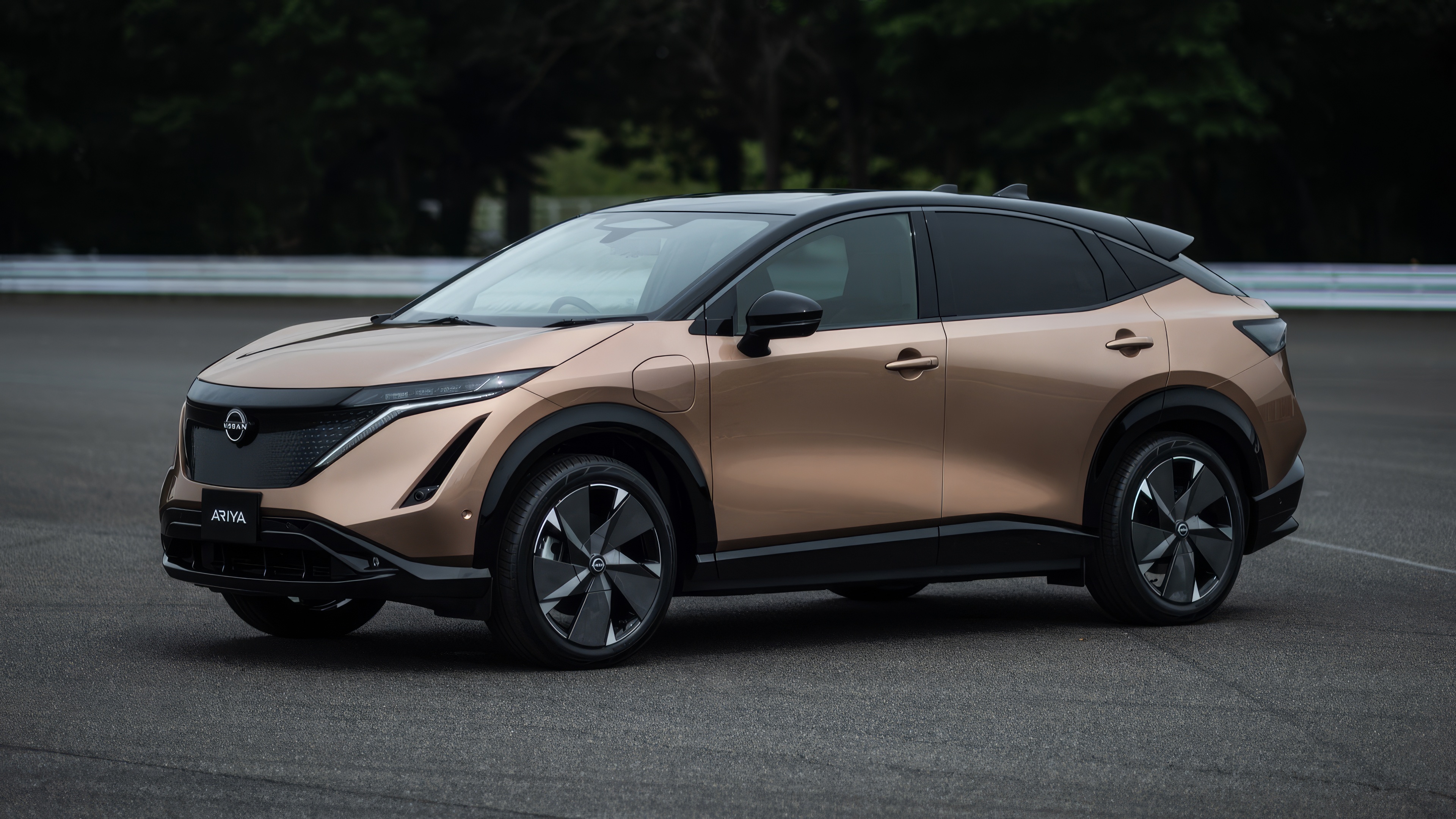
Building on that legacy, Nissan introduced its next-generation crossover BEV, the Ariya, in 2022. Based on the Alliance's advanced CMF-EV platform, the Ariya features dual-motor e-4ORCE all-wheel-drive technology, up to 600 kilometers of range (WLTP), and an 87 kWh battery option. It showcases Nissan's evolution toward premium electric mobility with a minimalist interior, extensive use of sustainable materials, and over-the-air software updates. The Ariya also debuts Nissan's new design philosophy, "Timeless Japanese Futurism," blending clean surfaces with warm, human-centric technology.
Looking forward, Nissan plans to expand its BEV lineup significantly with several new global models. Upcoming vehicles include an electric compact SUV for Europe (based on the AmpR Small platform co-developed with Renault), an electric successor to the Micra, and multiple models for North America and Japan. Nissan has also confirmed that the next generation of its iconic GT-R sports car will feature an electrified or fully electric powertrain. Production of future EVs will be anchored by the company's EV36Zero Hub in Sunderland, UK- an integrated battery, vehicle, and energy ecosystem built around renewable generation and local supply chains.
In parallel, Nissan continues to invest in advanced battery technology, including solid-state batteries, which are expected to enter production by 2028. These batteries promise shorter charging times, higher energy density, and lower costs. The company's e-POWER hybrid system, which uses an electric drivetrain with a small onboard generator, is also serving as a technological bridge in markets where charging infrastructure remains limited.
Through its long-standing innovation in electric mobility, Nissan has established itself as a cornerstone of global EV adoption. Its combination of early market experience, proven platforms, and investment in next-generation energy systems ensures it remains a key player in the industry's transition to zero-emission transportation.
Electrification Status
Nissan is a leading transitioning automaker with deep experience in mass-market EVs. With successful BEVs like the LEAF and Ariya on the road and next-generation models and solid-state battery technology in development, Nissan continues to bridge its pioneering EV legacy with an ambitious, fully electric future.