ElectronsX > Systems > EV Platforms & Architectures
EV Platforms & Architectures
Electric vehicles are no longer defined primarily by trim levels or option packages. Instead, their behavior, longevity, charging performance, and software capability are governed by the underlying vehicle platform. This hub provides a structured, EV-native index of major global platforms in use today and those shaping the next generation of vehicles.
What a Modern Vehicle Platform Really Is
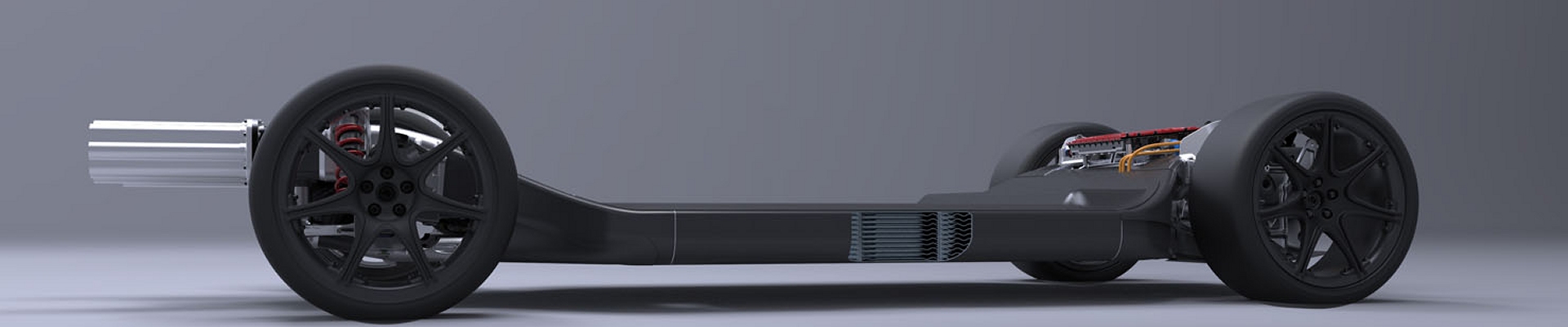
A modern EV platform is more than a skateboard chassis. It is a layered system that determines how a vehicle behaves, evolves, and ages over time.
At the base is the structural and energy layer: battery pack architecture, motor layout, crash structure, and suspension hard points. This layer sets physical proportions, battery limits, and fundamental driving dynamics.
Above that is the electrical and compute architecture: zonal controllers, centralized compute, and in-vehicle networking. This layer defines OTA capability, autonomy headroom, and long-term software viability.
Next is the thermal and power management layer: battery cooling, power-electronics cooling, and heat-pump integration. This layer governs charging curves, sustained performance, and degradation control.At the top is the software and autonomy substrate: vehicle OS, OTA pipelines, telemetry, and ADAS integration. This layer determines whether a vehicle improves over time or becomes technologically static.
Two vehicles may share batteries and motors, yet behave very differently because their platform layers diverge above the skateboard. Sustained fast-charging performance, thermal resilience, autonomy headroom, and software lifespan are all platform-driven attributes that traditional spec listings fail to capture.
OEM EV Platform Index
Most automakers operate multiple platforms simultaneously. Legacy and transitional platforms coexist with clean-sheet, software-defined architectures as product lines evolve over time.
Hyundai Motor Group platforms >
- E-GMP (current)
- IMA – Integrated Modular Architecture (next-generation SDV platform)
Volkswagen Group platforms >
- MEB
- MEB+
- SSP (future unified platform)
- PPE (shared with Porsche and Audi)
Mercedes-Benz Group platforms >
- MFA2 (compact, transitional)
- MMA (next-generation compact and mid-size)
- EVA / EVA2 (large EVs)
- MB.EA (next-generation core EV platform)
- VAN.EA (electric vans and commercial vehicles)
BMW Group platforms >
- CLAR EV
- Neue Klasse (next-generation SDV platform)
Tesla platforms >
- Gen 2 Platform
- Gen 3 Platform (next-generation)
BYD platforms >
- e-Platform 3.0
- e-Platform 3.0 Evo
Geely Group platforms >
- SEA (Sustainable Experience Architecture)
- SEA-E
- SEA-M
XPENG platforms >
- SEPA 2.0 (Smart Electric Platform Architecture)
NIO platforms >
- NT 2.0 Platform
- NT 3.0 (next-generation SDV platform)
Rivian platforms >
- R1 Platform
- R2 Platform (next-generation)
Stellantis platforms >
- STLA Small
- STLA Medium
- STLA Large
General Motors platforms >
- Ultium
Ford platforms >
- GE1
- E-Transit (commercial)
Related Coverage
- EV Platform & Architecture
- E-GMP Platform
- SAIC Motor EV Platforms
- EV Ecosystem Architecture
- Digital Twin Overview
- Embedded Intelligence
- Edge & Local Inference Compute Substrate
- Humanoid-AV Interoperability